
Preparing Your Home for Spring Without Replacing Everything
Spring has a way of making everything feel outdated.
The light changes. The air shifts. Suddenly you’re looking around your home thinking,
“Maybe we need new furniture.”
But most of the time, you don’t.
You need adjustment. Not replacement.
Before you start shopping for entirely new pieces, here’s how to prepare your home for spring in a smarter, more intentional way.
Step 1: Reset the Foundation
Winter leaves residue behind.
Dry air, heavier fabrics, darker tones, constant indoor use. Your furniture has been working hard.
Start by:
• Deep cleaning surfaces with wood-safe products
• Conditioning solid wood if needed
• Tightening any hardware
• Checking joints for minor seasonal movement
If you own real hardwood pieces, this is maintenance — not repair.
Well-built furniture, especially in climates like Edmonton, simply needs seasonal care after months of dry heat.
A small reset can make a table feel brand new.
Step 2: Change What’s Around the Furniture
Most homes don’t need new tables. They need new surroundings.
Spring refresh ideas that cost far less than replacement:
• Lighter linens and runners
• Fresh greenery or simple branches
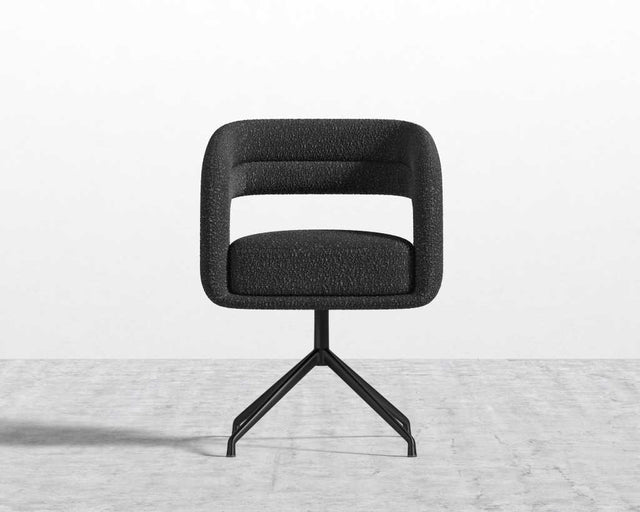
• Swapping heavy chairs for something airier
• Rearranging layout for better light flow
Solid wood adapts beautifully to seasonal styling. A walnut or oak table can feel winter-rich in December and spring-light in April with just a few styling shifts.
The structure stays. The mood changes.
Step 3: Let Natural Light Do the Work
Spring light reveals more detail. It brightens grain patterns. It softens finishes.
Before assuming your furniture feels “too dark” or “too heavy,” try repositioning pieces closer to windows or opening the space visually.
Real wood reacts differently in natural light. The grain becomes more alive. Warmer.
Sometimes the problem isn’t the furniture.
It’s how it’s placed.
Step 4: Repair, Don’t Replace
One scratch doesn’t mean a new table.
One small gap from winter contraction doesn’t mean structural failure.
Quality solid wood furniture can be:
• Refinished
• Lightly sanded
• Conditioned
• Adjusted
Veneer and particleboard can’t handle that kind of renewal. Solid wood can.
That’s the difference between disposable and durable.
Step 5: Upgrade Intentionally If Needed
Now, here’s the honest part.
If winter revealed deep cracks, severe warping, or repeated structural issues, that’s not seasonal. That’s quality.
Spring is still a good time to upgrade — but upgrade intentionally.
Instead of replacing everything, focus on one foundational piece.
Often, that’s the table.
Because a strong table anchors:
• Daily meals
• Work-from-home routines
• Family conversations
• Weekend gatherings
When that foundation is solid, the rest of the room follows.
The Psychology of Spring Refresh
Spring creates a desire for change.
But meaningful change in a home doesn’t always require more stuff. It requires better choices.
Replacing everything resets the look temporarily.
Investing in quality resets the function long term.
There’s power in walking into a brighter, lighter space and knowing your furniture isn’t temporary.
It’s built to evolve with you.