
The Hidden Waste Behind Fast Furniture
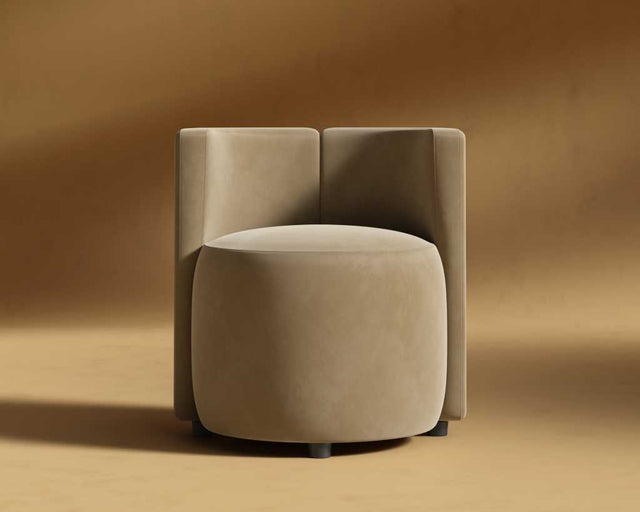
Fast furniture is sold like a win.
Cheap. Quick. Stylish enough. Delivered in a box.
A home upgrade in one weekend.
But what most people don’t see is what happens after the unboxing.
Because fast furniture doesn’t just cost money.
It costs space in landfills, time in your life, and that quiet feeling of living in “temporary.”
What is fast furniture, really?
Fast furniture is built for speed, not staying.
It’s mass-produced, designed to hit a price point, and made with materials that don’t love time:
-
thin veneers that chip and peel
-
particleboard that swells when it meets moisture
-
weak joints that loosen with normal use
-
finishes that can’t be repaired, only replaced
It looks good long enough to sell.
Then it starts breaking down.
The waste starts way before it breaks
Most people picture waste as the moment you throw something away.
But the waste begins earlier:
-
Manufacturing shortcuts that prioritize volume over durability
-
Mixed materials that make recycling almost impossible
-
Packaging that protects the item better than the item protects itself
-
Shipping emissions multiplied by constant replacements
Fast furniture is often designed as a one-way product.
Use it. Outgrow it. Replace it. Repeat.
“But I donated it” isn’t always the clean ending
A lot of fast furniture doesn’t survive a second life.
Because when pieces are already loose, warped, or cracked:
-
thrift stores can’t resell them
-
charities can’t distribute them
-
buyers won’t take them
-
recycling facilities can’t separate the materials
So it ends up where most disposable furniture ends up.
Gone.
And then you buy again.
The most hidden waste is emotional
This part is real, and nobody puts it in the product description.
Fast furniture keeps your home feeling unsettled.
It creates a low-level frustration you learn to live with:
-
the wobble you ignore
-
the scratch that keeps spreading
-
the chair that creaks
-
the table that can’t handle normal life
And when your home constantly feels like it’s falling apart in small ways, you feel it too.
You clean more carefully.
You host less.
You hold back from enjoying your own space.
That’s waste, too.
Fast furniture trains us to treat homes like they’re temporary
It encourages a cycle that looks like convenience but feels like constant restarting:
-
search
-
buy
-
assemble
-
replace
-
dispose
-
repeat
That cycle costs:
-
weekends
-
energy
-
decision fatigue
-
money you didn’t plan to spend again
It’s not just bad for the planet.
It’s exhausting for the people living with it.
What “buying better” actually changes
Choosing fewer, higher-quality pieces is not about being fancy.
It’s about choosing furniture that:
-
lasts through real life
-
can be maintained and repaired
-
doesn’t need replacing every few years
-
becomes part of your home, not a placeholder
Solid wood furniture, for example, isn’t disposable by design.
It’s meant to be used, marked, refinished, and kept.
That changes the whole relationship you have with your space.
You stop buying furniture like a quick fix.
You start building a home like it matters.
If you want to reduce waste, start with what you replace the most
You don’t have to upgrade everything at once.
Start with the pieces that take the most daily impact:
-
dining table
-
dining chairs
-
coffee table
-
bed frame
-
high-use storage
These are the items that fast furniture fails first.
They’re also the items that make your home feel stable when they’re built right.
The real flex is longevity
A home that feels grounded is built slowly.
Not by shopping more.
By choosing what stays.
Because the least wasteful furniture isn’t the one with the best marketing.
It’s the one you don’t have to replace.