
Why Replacing Furniture Every Few Years Is Quietly Draining Your Budget
It doesn’t feel like a big expense.
A table here.
A chair there.
A quick replacement every couple of years.
Individually, it seems manageable.
But over time?
It adds up faster than you think.
The Cost You Don’t Track
Most people don’t calculate how much they’ve spent replacing furniture.
Because it doesn’t happen all at once.
It happens in small decisions:
“This will do for now.”
“We’ll upgrade later.”
“It’s cheaper anyway.”
But those small decisions create a pattern.
And that pattern becomes expensive.
Cheap Doesn’t Stay Cheap
Lower-cost furniture often comes with trade-offs:
Weaker materials
Simpler construction
Shorter lifespan
At first, it works.
Then:
It loosens
It scratches easily
It starts to feel unstable
And suddenly, you’re replacing it again.
The Replacement Loop
Here’s how it usually plays out:
Buy something temporary
Use it for a while
Notice wear or frustration
Replace it
Repeat.
Every cycle feels justified.
But every cycle costs you.
Not just money.
Time.
Energy.
Decision fatigue.
The Hidden Financial Impact
Let’s break it down simply.
Replacing a table every 2–3 years means:
Multiple purchases over time
More delivery costs
More time spent searching
And often, the total cost exceeds what a well-built piece would have been from the start.
Quality Changes the Timeline
Well-crafted furniture shifts the timeline completely.
Instead of thinking in years, you think in decades.
One solid dining table
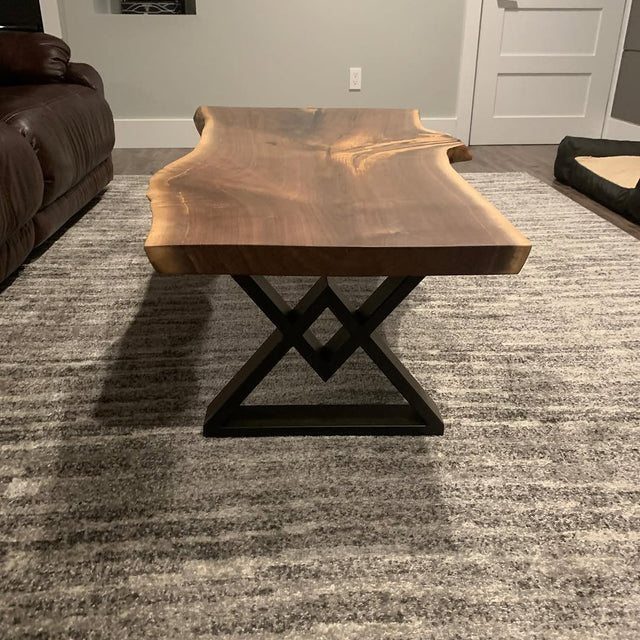
One well-built coffee table
One intentional investment
Used daily
Season after season
Without needing replacement
Built for Real Conditions
In climates like Edmonton, furniture faces constant stress.
Dry winters
Seasonal expansion and contraction
Daily wear from active households
Furniture built with solid materials and proper construction handles this naturally.
Temporary pieces often don’t.
The Emotional Cost of Constant Replacement
There’s also something less obvious.
Living in a space that never feels finished.
Always planning the next upgrade
Always adjusting to something that’s not quite right
It creates a sense of instability.
A home should feel settled.
Not temporary.
The Smarter Financial Move
Spending less upfront can feel like the safer choice.
But over time, it often costs more.
The smarter approach?
Buy fewer pieces.
Choose better ones.
Let them last.
A Budget That Works Long-Term
When you shift from replacing to investing, your budget changes.
Fewer purchases
More stability
Less waste
And over time, more value from every piece you bring into your home.
Break the Cycle
If you’ve been replacing furniture every few years, it’s not just a habit.
It’s a system.
And it’s one you can change.
Explore how to invest in furniture that lasts here:
/long-term-furniture-investment-guide