
Winter Wear and Tear: Why Quality Furniture Holds Up Better
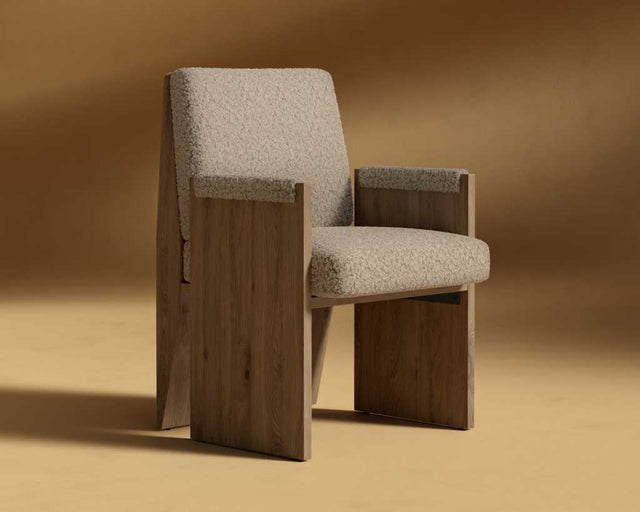
Winter doesn’t just change the air.
It changes your home.
The heat turns on. The air dries out. Doors tighten. Floors shift. And your furniture? It feels it too.
If you’ve ever noticed small cracks, loose joints, or a table that suddenly doesn’t sit quite right after January, you’re not imagining it. Winter quietly tests everything inside your home.
Let’s talk about why some furniture survives it beautifully and why some doesn’t.
What Winter Really Does to Furniture
When temperatures drop in places like Edmonton, indoor heating systems work overtime. That constant dry heat pulls moisture out of solid wood.
Wood is natural. It expands in humidity and contracts in dry air. That movement is normal. The problem isn’t movement. The problem is poor construction.
Lower-quality furniture often uses:
-
Thin veneers over particleboard
-
Low-grade fasteners
-
Weak corner joinery
-
Inconsistent moisture-dried lumber
Under winter stress, these shortcuts show up fast.
Small hairline cracks.
Wobbly legs.
Surface splitting.
Loose seams.
Winter simply reveals what was already weak.
Why Quality Furniture Holds Up Better
1. Properly Dried Solid Wood
High-quality builders start with properly kiln-dried hardwood. That means the wood’s moisture content is stabilized before it ever becomes a table.
When the dry air hits, the movement is controlled not chaotic.
2. Joinery That Moves With the Seasons
Good furniture isn’t built rigid. It’s built intelligently.
Mortise-and-tenon joints. Dowel reinforcement. Floating panels. These methods allow wood to expand and contract without splitting itself apart.
Cheap furniture fights the season.
Quality furniture works with it.
3. Real Thickness Matters
There’s a difference between a thin veneer top and a thick solid slab.
A properly built solid wood table has mass. Structure. Integrity. It doesn’t flex or bow under seasonal stress the way hollow-core pieces do.
4. Finishes That Protect, Not Just Shine
A durable protective finish helps slow moisture exchange. That matters in winter.
Quality finishes seal the surface while still allowing the wood to breathe naturally. It’s protection without suffocation.
Indoor vs Outdoor During Winter
Outdoor furniture is built expecting extremes. It’s designed for snow, moisture, freeze-thaw cycles.
Indoor furniture faces a different enemy: constant dry heat.
The pieces that survive indoors are the ones designed for climate shifts not just aesthetic appeal.
The Hidden Cost of “Good Enough”
Many homeowners buy temporary pieces thinking:
“It’s just a table.”
“It’ll do for now.”
“It’s cheaper.”
But winter has a way of turning “temporary” into “replacement.”
One repair.
One crack.
One season too many.
And suddenly you’re shopping again.
Quality furniture isn’t about luxury. It’s about longevity. It’s about investing once instead of replacing every few years.
What to Watch for This Winter
If you’re noticing:
-
Gaps forming along seams
-
A tabletop that feels slightly uneven
-
Hairline cracks near the edges
-
A wobble that wasn’t there before
It doesn’t always mean something is wrong. Solid wood moves. That’s natural.
But excessive damage often points back to material quality and build method.
Why It Matters for Your Home
Furniture is where life happens.
Family dinners.
Work-from-home mornings.
Holiday gatherings.
Quiet coffee moments before sunrise.
The right piece should hold those moments not stress you every season.
When a table is built properly, winter becomes just another season. Not a threat.