
Wooden Furniture Prices Rose 2.6% in 2025 | YEG Woodcraft
Wooden Furniture Prices Rose 2.6% in 2025. Here's What That Means for Canadian Homeowners
Furniture prices are one thing. What you actually get for that price is another. Here's how to think past the number when you're shopping for a dining table, desk, or coffee table.
Statistics Canada's annual average price change for the wooden furniture category.
Furniture prices are one thing. What you actually get for that price is another.
For homeowners shopping for a dining table, desk, coffee table, or another piece of wooden furniture, that 2.6% increase raises a more useful question than simply "how much does this table cost?" The better question might be: what am I actually getting for that price?
A higher price doesn't automatically mean better furniture
Two dining tables can look similar online and have completely different stories underneath the surface. One might use veneer or engineered materials. Another might be made from solid hardwood. One might come in predetermined dimensions and finishes. Another might be designed specifically around the proportions of your dining room, the number of people you need to seat, your preferred wood species, and how your family actually uses the space.
That's why comparing furniture purely by price can be misleading. The number is only one part of the purchase.
Start by comparing the material
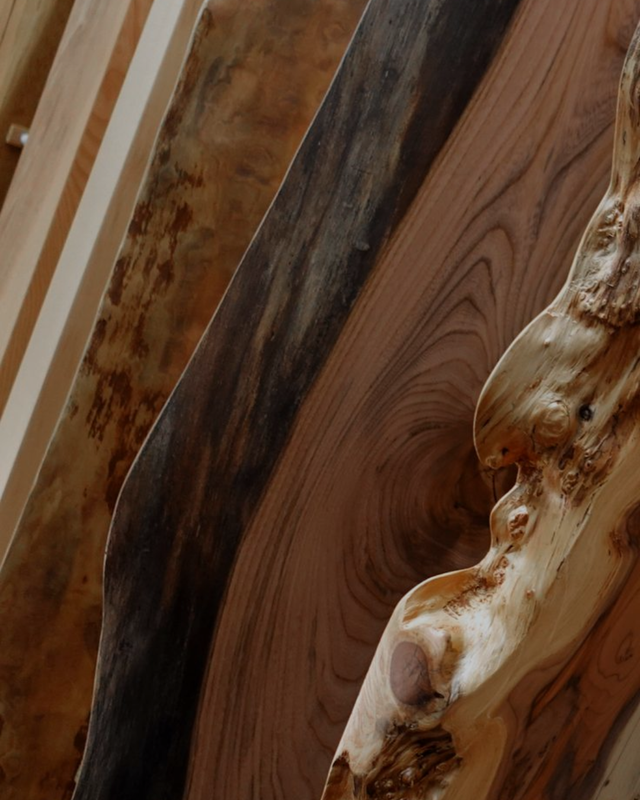
When you're buying wooden furniture, ask what the piece is actually made from. At YEG Woodcraft, we build with hardwoods including oak, maple, and walnut. Each species has its own grain, character, colour, and feel.
Solid hardwood also gives homeowners something particularly important over the life of the piece, the ability to maintain, repair, and refinish the surface when appropriate. Instead of treating furniture as something that simply gets replaced when it begins to show its age, hardwood can be built with a much longer relationship in mind.
Compare how it's built for your home
Price comparisons often happen between products that aren't solving the same problem. A standard table is designed to fit many homes reasonably well. A custom table can be designed around yours. That can mean considering:
- The dimensions of the room
- How many people you regularly seat
- Your preferred table proportions
- Wood species
- Base design
- Finish
- Surrounding furniture
- How you move through the room
These decisions may not appear on a price tag. But you'll notice them every day once the table is inside your home.
A lower upfront price and a better long-term purchase are not always the same thing.
Compare what happens after delivery
A furniture purchase doesn't stop when the table arrives. Ask yourself what happens five, ten, or even twenty years later. Will you still like the proportions? Can the surface be repaired if life happens? Can it be refinished? Was it built around a passing furniture trend, or around the way you actually live?
Before choosing a finish, see it in your own space
Wood is particularly difficult to judge through a screen. Lighting changes how a finish appears. So do flooring, cabinetry, paint colours, and the amount of natural light in your room. And because real hardwood naturally varies in grain and tone, no two boards will ever look completely identical.
That's why a stain sample can be one of the simplest ways to make a more confident decision before your build begins. Place it beside your flooring. Look at it next to your cabinetry. See it during the day, then look again under your evening lighting.
You're not simply choosing a colour. You're choosing how the wood will live alongside everything already in your home.
So, what does the 2.6% increase actually mean?
It doesn't mean every wooden table in Canada became exactly 2.6% more expensive. The Statistics Canada figure represents the annual average movement in consumer prices for the broader wooden furniture category in 2025.
But it does reinforce something worth considering. As the amount homeowners spend on furniture changes, understanding what sits behind the price becomes even more important.
Compare the material.
Compare the construction.
Compare the decisions available to you.
Compare how the piece will work in your home.
Then compare the number.
Because when you're choosing something that may sit at the centre of your home for years, price should be part of the conversation. It just shouldn't be the whole conversation.
Thinking about a custom hardwood piece?
Start with your room. Bring us your measurements, inspiration, seating needs, and the budget you're working with. We'll help you understand the options before you make the final decision.
Weighing your options?
Book a free consultation, or if you're already deciding on wood and finish, order a stain sample and see it in your own space first.