
he Rise of Intentional Homes: What It Actually Means in 2026
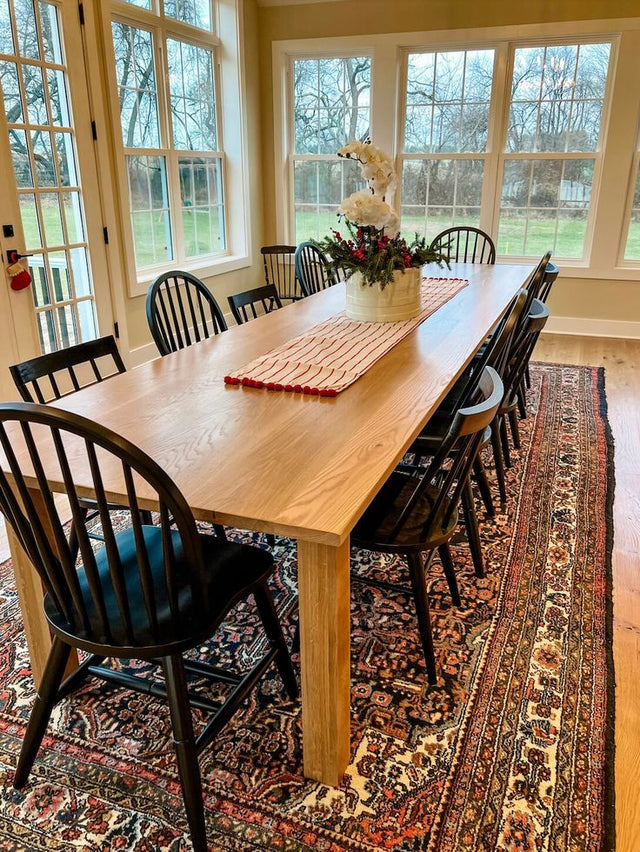
Homes are changing.
Not in a loud, dramatic way.
In a quieter, more thoughtful way.
Less about filling space.
More about choosing it carefully.
In 2026, “intentional” isn’t just a design word.
It’s how people are learning to live.
From More… to Meaningful
For years, the focus was on having more.
More décor.
More furniture.
More options.
But more doesn’t always feel better.
It often feels crowded.
Unfinished.
Hard to maintain.
Intentional homes move in the opposite direction.
Fewer pieces.
Better choices.
Clear purpose behind everything.
Every Piece Has a Reason to Be There
In an intentional home, nothing feels random.
Each piece answers a question:
Why is this here?
What does it add?
How does it support daily life?
Furniture isn’t just placed.
It’s chosen.
It Starts With the Anchors
Intentional design focuses first on the pieces that define the space.
The dining table.
The main seating.
The key surfaces you use every day.
When these pieces are right, the rest of the room becomes easier to shape.
When they’re not, the space never fully settles.
Built for How You Actually Live
In homes across Edmonton, routines change with the seasons.
But one thing stays consistent.
The need for spaces that work.
A dining table that supports meals, work, and gatherings.
Furniture that handles daily use without constant adjustment.
Layouts that allow movement without friction.
Intentional homes are designed around real life, not ideal scenarios.
Less Clutter, More Clarity
Clutter isn’t always about having too much.
Sometimes it’s about having the wrong things.
Pieces that don’t fit.
Items that don’t serve a purpose.
Furniture that was chosen quickly, not thoughtfully.
Intentional homes remove that noise.
What’s left feels clear.
Calm.
Grounded.
Materials That Matter
Intentional living also shows up in what things are made of.
Natural materials.
Durable construction.
Pieces that age well over time.
Instead of replacing furniture every few seasons, the focus shifts to choosing pieces that last.
That consistency creates stability in the home.
A Space That Evolves With You
Intentional homes aren’t static.
They grow.
You add pieces slowly.
You adjust as your life changes.
You refine instead of replace.
The space evolves with you, instead of needing constant updates.
The Feeling You Can’t Fake
There’s something you notice immediately in an intentional home.
It feels settled.
Not perfect.
Not staged.
Just right.
Everything has its place.
Nothing feels forced.
The New Standard of Living
In 2026, intentional homes are becoming the standard.
Not because they look better.
But because they feel better.
They reduce stress.
They support daily life.
They create spaces people actually want to be in.
Build a Home That Reflects You
If your space feels off, it’s usually not about needing more.
It’s about needing clarity.
Explore how to create a more intentional home here:
/intentional-home-design-guide